
🔍 Quick Summary (TL;DR)
- The Reality Check: You likely don’t have a “sugar allergy.” That crawling sensation is a metabolic alarm bell involving your nerves and insulin levels.
- The 2026 Context: With prediabetes hitting record highs in the US, skin symptoms are often the first indicator of blood sugar spikes—even before A1C tests catch it.
- The Warning Signs: We break down the four “skin flags”: Phantom Itch (Neuropathy), The Sugar Rash (Candida), The “Pimple” Clusters (Xanthomatosis), and The Dark Patch (Acanthosis).
- The Fix: It’s not just about creams. We look at urea, ceramides, and the “10-minute walk” rule.
1. The Science: Why You Get Itching All Over Body After Eating Sugar
Let’s be real for a second: there is no such thing as a “sugar allergy” in the traditional medical sense. If you eat a donut and your throat closes up, that’s an allergy to egg or wheat. But if you find yourself itching all over body after eating sugar—especially at night—something more complex is happening under the hood.
In 2026, we’ve moved past simply looking at calories. We now understand that skin is a “metabolic mirror.” When your blood glucose spikes, it doesn’t just sit in your veins; it wreaks havoc on a cellular level.
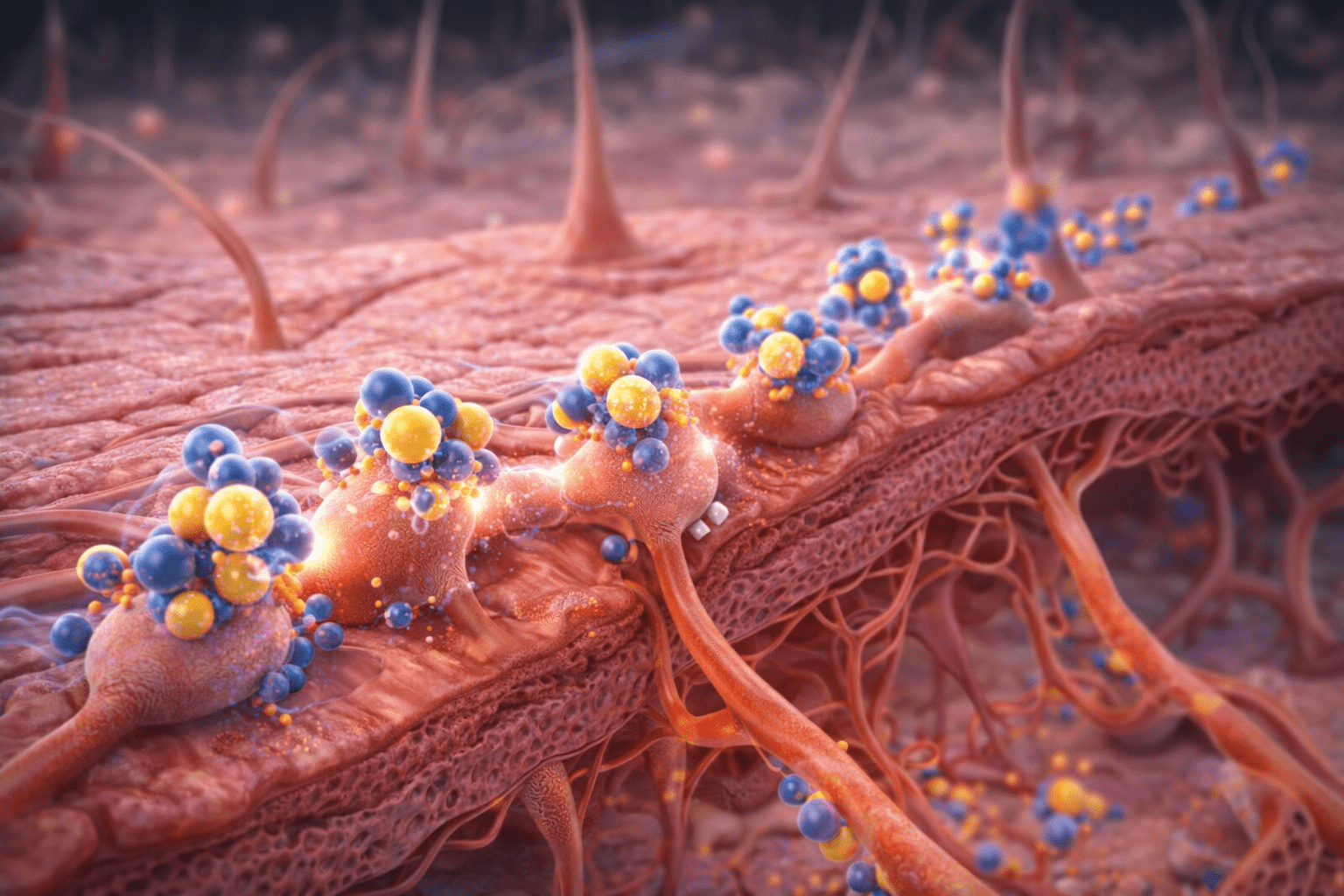
Here’s the kicker: High blood sugar essentially acts like slow-moving shards of glass in your bloodstream. Through a process called the Polyol Pathway, your body tries to process excess glucose but ends up depleting its own antioxidants (specifically NADPH). This leaves your nerves and skin cells vulnerable to oxidative stress. Simultaneously, a reaction called glycation occurs—think of this as your tissues slowly “caramelizing.” This stiffens the collagen in your skin and triggers inflammation, leading to that maddening, deep itch that scratching just doesn’t fix.
2. Sign #1: The “Phantom Itch” (Neuropathy)
If you’re scratching but there’s no rash, pay attention. This is often the first sign of Diabetic Polyneuropathy.
Unlike a mosquito bite, which is on the surface, this itch comes from the inside out. High sugar levels damage the tiny protective sheaths around your nerves (specifically C-fibers). When these nerves get stripped, they start misfiring. They send “itch” signals to your brain even when there’s nothing on your skin.
What to look for:
- The sensation: It often feels like insects crawling under the skin (a creepy sensation doctors call formication).
- The timing: It usually flares up at night when cortisol levels drop.
- The location: It often starts in the feet and moves up the legs—the classic “stocking” distribution.
3. Sign #2: The Yeast Buffet (Candida)
Let’s talk about the microbiome. Your skin is covered in bacteria and yeast. Usually, they behave. But yeast (specifically Candida albicans) has a serious sweet tooth.
When your blood sugar is chronically high, you are essentially sweating sugar. You turn the moist folds of your body—armpits, groin, under the breasts—into an all-you-can-eat buffet for yeast.
Here’s the data: The Centers for Disease Control and Prevention (CDC) notes that recurrent fungal infections are often the only early symptom for the 27% of diabetics who remain undiagnosed. If you’re dealing with an itch that burns and has a bright red, shiny appearance, it’s not dry skin. It’s a sugar-fed invasion.
4. Sign #3: The Dangerous “Pimple” (Xanthomatosis)
This is the one you absolutely cannot ignore. Sometimes, the body tries to purge excess sugar and fats through the skin in a very visible way.
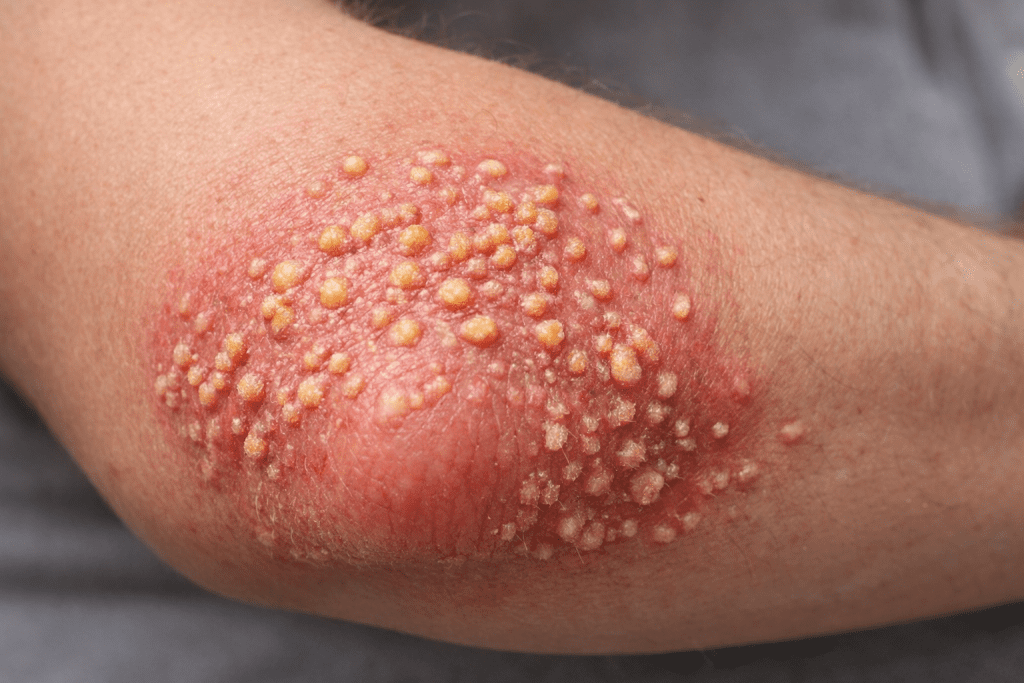
Eruptive Xanthomatosis looks like a sudden breakout of firm, yellow-red bumps, usually on the elbows, knees, or buttocks. They look like pimples, but they feel firm, like candle wax. And they itch like crazy.
Why it’s serious: These aren’t zits. They are deposits of cholesterol and triglycerides pushing out of your blood vessels. If you see these, it means your triglyceride levels are dangerously high (often skyrocketing past 2,000 mg/dL). This isn’t just a skin issue; it puts you at immediate risk for pancreatitis. If you spot these bumps while experiencing itching all over body after eating sugar, skip the drug store and head to the doctor.
5. Sign #4: The Velvety Patch (Acanthosis Nigricans)
Have you noticed a dark, velvety patch of skin on the back of your neck or in your armpits? You might think it’s dirt that won’t scrub off. It’s not.
This is Acanthosis Nigricans. It happens when high insulin levels overstimulate your skin cells, causing them to reproduce too fast and turn dark. While the patch itself doesn’t always itch, the sweat trapped in those thickened folds often leads to a secondary, maddening itch.
The 2026 Reality: We used to see this mostly in older adults. Now, pediatricians are seeing it in teenagers. It is the single most reliable skin marker for insulin resistance.
Learn more about Insulin Resistance Reversal Strategies here.
6. The 2026 Toolkit: How to Stop the Itch
So, you’ve identified the problem. How do you fix it? The old advice of “just stop scratching” is useless here. You need a two-pronged approach: protect the barrier and lower the glucose.
- The “10-Minute” Walk: The National Institutes of Health (NIH) has published data showing that walking for just 10 minutes after a meal can curb blood sugar spikes by over 20%. Less spike = less nerve damage.
- Upgrade Your Moisturizer: Toss the scented lotions. You need Urea (10%) or Ceramides. Diabetic skin is fundamentally dehydrated because excess sugar pulls water out of cells (osmosis). Urea actively binds water back into the skin structure.
- Cool It Down: Hot showers strip natural oils. Switch to lukewarm water and use a “syndet” (synthetic detergent) cleanser, which is gentler than soap.
- The Capsaicin Trick: For that “phantom” nerve itch, over-the-counter Capsaicin cream (derived from chili peppers) can deplete the chemicals that transmit itch signals. It burns a little at first, but it works.
The Bottom Line: Your skin is talking to you. That sensation of itching all over body after eating sugar isn’t a random annoyance; it’s a request for a metabolic reset. Listen to it.
FAQs
Why does sugar make me itch at night specifically?
At night, your body’s natural anti-inflammatory hormones (like cortisol) drop. Without this natural buffer, the nerve damage caused by glucose spikes becomes more noticeable, leading to intense nocturnal itching.
Can I be allergic to sugar?
Medically speaking, no. True allergies involve the immune system attacking a protein. Sugar is a carbohydrate. However, you can have a “metabolic intolerance” where sugar causes inflammation that feels like an allergy.
How long does sugar itch last after eating?
It varies. A “sugar flush” might last a few hours, but if the itching is caused by nerve damage (neuropathy) or yeast overgrowth, it can persist for days or weeks until blood sugar is stabilized.
Does drinking water help with sugar itch?
Yes! High blood sugar dehydrates you. Drinking water helps your kidneys flush out excess glucose through urine, which can lower the sugar load and rehydrate your parched skin.
What is the best cream for diabetic itch?
Look for creams containing Urea or Pramoxine Hydrochloride. Urea fixes the dryness, while Pramoxine is a mild anesthetic that numbs the skin surface to stop the immediate urge to scratch.
