
Clinically Verified by Dr. Mian Farhan Haider, MS Clinical Nutritionist & RD
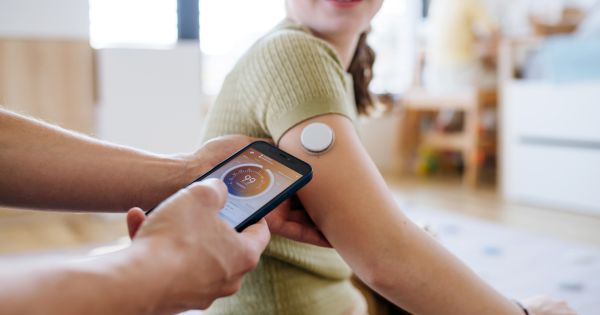
Let’s be real for a second: It’s 2026, and we’ve never had more tools to fix our metabolisms. Between AI-powered meal planners and those little white circles on everyone’s arms, you’d think we’d have cracked the code by now.
But here’s the kicker—a lot of us are still stuck. You’re doing the “low-carb” thing, you’re hitting your steps, and yet, your morning fasted glucose is still acting like a moody teenager. If you feel like you’re running on a treadmill that’s going nowhere, you aren’t alone. We’re seeing a whole new set of “2026 problems” that are low-key sabotaging our insulin resistance reversal goals.
Let’s dive into what’s actually keeping you in the metabolic “waiting room” and how to finally break out.
🔍 Quick Summary (For Fast Readers)
The Problem: Many Americans stall because they rely on “Band-Aid” medications or develop data fatigue from constant health tracking.
The Mistake: Treating GLP-1 medications as a permanent fix instead of using them as a short-term metabolic bridge.
The Fix: Shifting focus to cellular insulin sensitivity, muscle quality, sleep, and removing hidden stressors that keep insulin levels elevated.
Key Takeaway: If progress isn’t happening, it’s usually not a willpower issue. It’s a strategy problem.
1. The “Magic Shot” Trap (GLP-1 Fatigue)
By now, everyone and their cousin is on some version of a GLP-1. And hey, they’re game-changers for weight loss. But here’s the tea: if you’re using these meds without fixing your cellular machinery, you’re just renting your health.
The biggest mistake we’re seeing in 2026 is people losing weight but keeping their insulin resistance. If you aren’t eating enough protein and lifting heavy things, you might be losing muscle mass instead of just fat. Since muscle is your body’s primary “glucose sink,” losing it actually makes your metabolic health worse in the long run.
2. You’re Catching “Glucose Anxiety”
We love a good CGM tracking session, right? Seeing your blood sugar in real-time is addictive. But there’s a dark side: “Glucose Anxiety.”
We’ve seen people freak out over a tiny spike from a sweet potato and then stress about it for three hours. Newsflash: Stress triggers cortisol, and cortisol tells your liver to dump more sugar into your blood. You’re literally stressing yourself back into insulin resistance. Reversal isn’t about a flat line; it’s about flexibility.
💡 Pro-Tip for Your Journey
If you’re serious about getting your numbers back to normal, you need a plan that doesn’t feel like a prison sentence. Check out this deep dive on the best prediabetes diet strategies for long-term reversal to see how to eat for your biology, not just your sensor.
3. The “Healthy” Ultra-Processed Food Lie

The grocery aisles are packed with “Keto-friendly” and “Zero Sugar” snacks that are basically chemistry experiments. In 2026, the big mistake is leaning too hard on these processed “hacks.”
Many of these foods use emulsifiers and sugar alcohols that mess with your gut microbiome. According to the Mayo Clinic, a healthy gut is non-negotiable for insulin resistance reversal. If your gut is inflamed, your insulin will stay high, no matter how “low carb” the box says it is.
4. You’re Ignoring the “Dawn Phenomenon” and Sleep
You can eat perfectly, but if you’re sleeping 5 hours a night and scrolling TikTok until 1 AM, your low-carb diet fatigue is going to hit hard.
Poor sleep is a massive “hidden” blocker. Just one night of bad sleep can make you as insulin resistant as a person with Type 2 diabetes the next morning. It’s why your fasted glucose is high even when you didn’t eat dinner. Your body needs that rest to reset the hormonal clock.
5. Thinking “Zero Carbs” is the Only Way
Extreme restriction often backfires. We’ve seen so many people go “Full Carnivore” or “Zero Carb” only to have their thyroid slow down or their stress hormones spike. This creates a “stalled” state.
Successful insulin resistance reversal in 2026 is about “Carb Cycling” and timing. It’s about earned carbs—eating your starches after you’ve moved your body, not just cutting them out and praying for a miracle.
📋 FAQ: Your Top Questions Answered
Q: Can insulin resistance be fully reversed in 2026? A: Absolutely. While “cured” is a strong word, many people reach a state of “remission” where their markers (A1c, HOMA-IR) stay in the optimal range through lifestyle alone.
Q: Why is my blood sugar high in the morning if I didn’t eat? A: This is often the “Dawn Phenomenon.” Your liver releases glucose to give you energy to start the day. If you’re insulin resistant, your body can’t clear that sugar efficiently yet.
Q: How long does it take to see results? A: You’ll see insulin levels start to drop in as little as 2 to 4 weeks, but true cellular “re-training” usually takes 3 to 6 months of consistency.
Q: Are GLP-1s like Ozempic necessary for reversal? A: They are a tool, not a requirement. According to the National Institutes of Health (NIH), lifestyle intervention remains the gold standard for long-term metabolic health.
Q: Does stress really affect insulin that much? A: Yes. High cortisol levels inhibit insulin secretion and tell your cells to resist the insulin that is there. It’s a total progress-killer.
