
Clinically Verified by Dr. Mian Farhan Haider, MS Clinical Nutritionist & RD
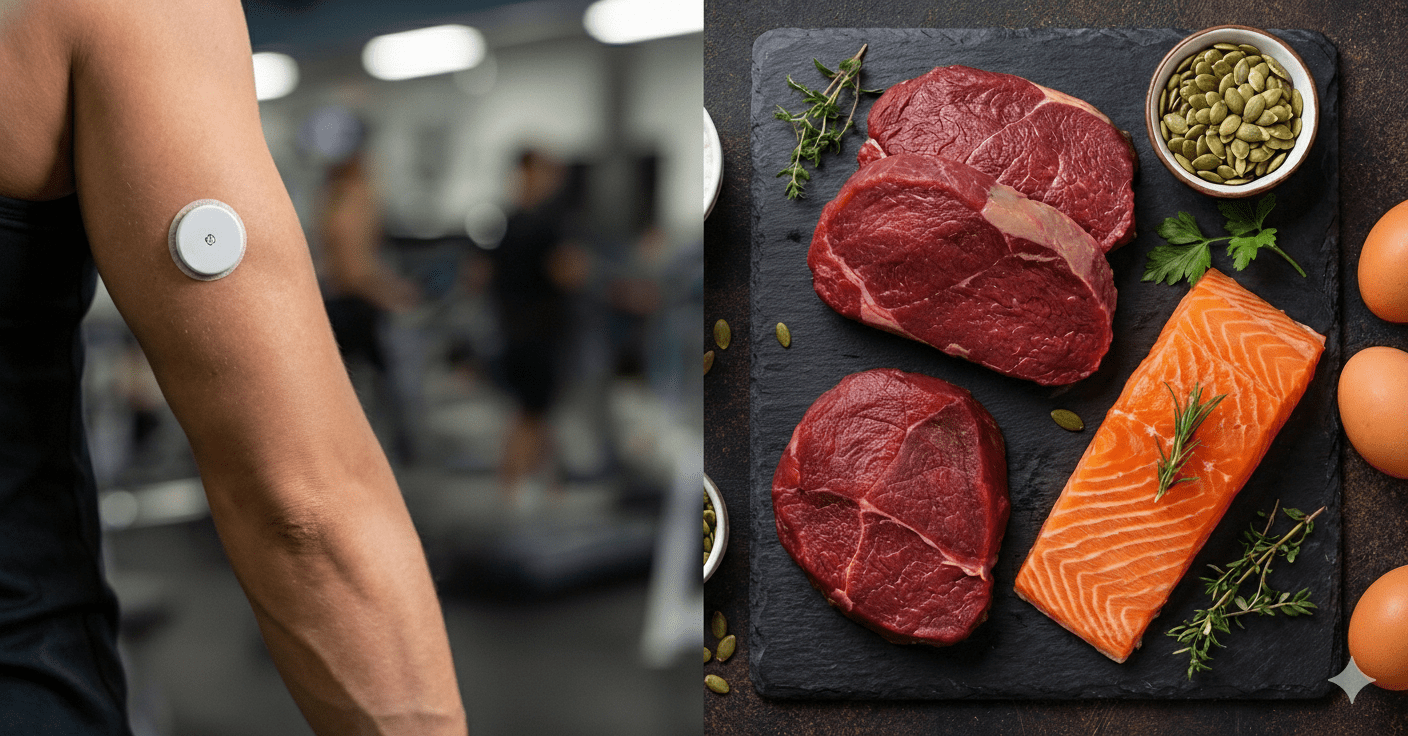
The “Muscle Poverty” Crisis: Why Diabetics Lose Muscle 3x Faster
For years, diabetes management focused solely on the scale. In 2026, the science has shifted. We now know that individuals with Type 2 Diabetes lose muscle mass up to three times faster than those without the condition.
This isn’t just “getting older.” It is a clinical state known as Diabetic Sarcopenia, or “muscle poverty.”
Why Muscle is Your “Metabolic Insurance Policy”
Think of your muscles as a glucose sponge. When your muscle tissue shrinks, your “sponge” becomes smaller, leaving excess sugar to circulate in your bloodstream. This creates a vicious cycle:
- Muscle Loss leads to higher insulin resistance.
- Higher Insulin Resistance makes it harder for the body to build muscle.
- A1C Levels Rise, increasing dependency on medication.
The 2026 Protein Pivot: New Science-Backed Guidelines
The old recommendation of 0.8 g/kg of body weight is no longer sufficient for the diabetic population. To Reverse Diabetes complications and overcome anabolic resistance (the body’s impaired ability to process protein), the latest research in Frontiers in Nutrition suggests:
- The New Target: Aim for 1.2 to 1.5 g/kg of body weight.
- The 20/20/20 Rule: Instead of back-loading protein at dinner, consume 20 grams of protein at each of your three main meals to maximize Muscle Protein Synthesis (MPS).
7 Superfoods for Your Muscle Loss Diet
To protect your lean mass—especially if you are using GLP-1 medications like Ozempic—incorporate these seven powerhouses:
- Grass-Fed Bison or Lean Beef: Rich in heme-iron, B12, and natural creatine to support nerve health and cellular energy.
- Wild-Caught Alaskan Salmon: High in Omega-3s, which 2025 trials proved make muscle cells more sensitive to protein uptake.
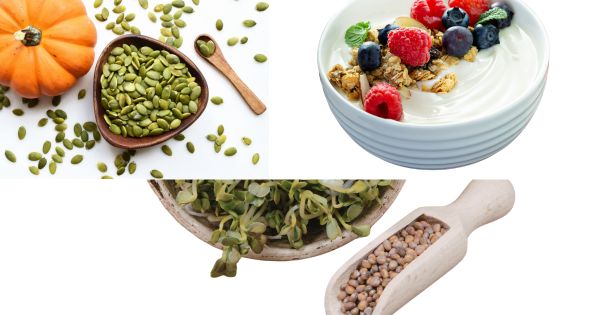
- A2-Protein Greek Yogurt: Provides Leucine, the primary amino acid “trigger” for muscle growth, without the digestive distress of standard dairy.
- Pasture-Raised Eggs: The “gold standard” for protein bioavailability, essential for cellular repair.
- Sprouted Lentils & Tempeh: Low-glycemic plant proteins that provide fiber while being gentle on diabetic kidney filtration.
- Pumpkin Seeds: A dense source of Magnesium, the mineral required to transport glucose into skeletal muscle cells.
- Hydrolyzed Whey Protein: A “fast-acting” protein essential for those experiencing “skinny fat” syndrome while on weight-loss medications.
Natural Solutions vs. Allopathy: The 2026 Comparison
Many patients at drdevine.org are looking to move away from pharmaceutical reliance. While medications have their place, they can sometimes work against your muscle-building goals.
The Power of Bioactive Herbs
- KSM-66 Ashwagandha: 2025 meta-analyses confirm that this adaptogen reduces cortisol (a muscle-wasting hormone) and significantly improves physical strength.
- Panax Ginseng: Acts as a “glucose shuttler,” helping to move sugar out of the blood and into the muscle tissue without requiring massive insulin spikes.
Performance Table: Natural vs. Pharmaceutical
| Strategy | Primary Function | Impact on Muscle | Best For |
| Herbal (Ashwagandha) | Cortisol Regulation | Positive (Builds Mass) | Strength & Recovery |
| Allopathy (Metformin) | Insulin Sensitivity | Neutral/Negative (Can inhibit growth) | Blood Sugar Control |
| Allopathy (GLP-1s) | Weight Loss | Risk of Loss (Must be offset by protein) | Rapid Weight Reduction |
| Panax Ginseng | Glucose Shuttling | Positive (Fuels Muscle) | Energy & Sensitivity |
The “Muscle-First” Daily Meal Plan
To effectively Reverse Diabetes damage, your daily eating should look like this:
- Breakfast: 3-egg scramble with spinach and smoked salmon (20g+ protein).
- Lunch: Quinoa bowl with grilled chicken, topped with pumpkin seeds.
- Dinner: Bison steak with roasted asparagus and a side of sauerkraut (probiotics).
- Evening Snack: A2 Greek yogurt with a dusting of cinnamon to stabilize overnight glucose.
The Bottom Line: Reclaiming Your Strength
At our clinic, we’ve observed a consistent trend: when patients stop obsessing over the scale and start obsessing over muscle quality, their glucose control stabilizes almost automatically.
Muscle is more than just “movement tissue”—it is your metabolic engine. Protect it, feed it, and it will protect you.
