
Clinically Verified by Dr. Mian Farhan Haider, MS Clinical Nutritionist & RD
Oatmeal has held the title of “healthy breakfast” for decades. Doctors recommend it, heart associations endorse it, and for many newly diagnosed Type 2 diabetics, it is the first meal they reach for.
But here is the plot twist: spend five minutes in a diabetes support group, and you’ll hear a different story. “I ate oatmeal and my sugar spiked to 240 mg/dL!” is a common refrain. So, what is the deal? Is oatmeal a blood-sugar-friendly superfood—or just a “sugar bomb” in disguise?
The answer isn’t black-and-white. It depends on three critical factors: processing, gut interaction, and preparation.
1. The Nutritional Paradox: Carbs vs. Beta-Glucan
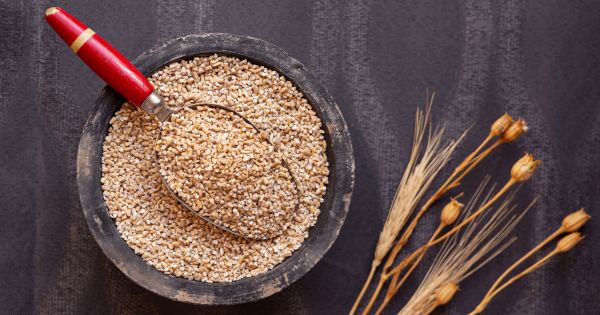
At first glance, oats appear dangerously carb-heavy. In just 100 grams of dry oats, there are approximately 66 grams of carbohydrates. For anyone managing insulin resistance, that number is enough to raise an eyebrow.
However, oats differ from other grains because they are “chock-ablock” with Beta-glucan. This is a unique soluble fiber that transforms into a thick, viscous gel during digestion.
How Beta-Glucan Protects You:
- Slowing Glucose Absorption: The gel coating slows down the rate at which sugar enters the bloodstream.
- Cholesterol Management: It binds to bile acids, helping to lower LDL (bad) cholesterol.
- Satiety: It triggers hormones that tell your brain you are full, preventing overeating.
The Catch: When oats are over-processed, this protective “gel effect” is destroyed.
2. The Science: What the Clinical Data Says
We don’t have to rely on anecdotes; the peer-reviewed data is clear.
The 2023 Meta-Analysis
A large-scale 2023 meta-analysis published in the National Institutes of Health (NIH) analyzed randomized controlled trials in adults with Type 2 diabetes. The findings were significant: consuming 3.25 grams of oat beta-glucan daily led to measurable improvements in:
- HbA1c levels (three-month average blood sugar).
- Fasting blood glucose.
- HOMA-IR (Insulin resistance markers).
The “Second-Meal Effect”
Oats offer a unique biological “carry-over” benefit. Studies indicate that eating oats in the morning can enhance your blood sugar response to lunch. This happens because oat fiber ferments in the large intestine, producing short-chain fatty acids that improve insulin sensitivity hours after the meal is finished.
3. Processing: Why “Instant” Means “Instant Spike”
Not all oatmeal is created equal. In terms of metabolic health, the difference between steel-cut oats and instant packets is the difference between medicine and poison.
| Oat Type | Processing Level | Glycemic Index (GI) | Diabetic Impact |
| Steel-Cut (Irish) | Minimal (Groats cut into pieces) | ~55 (Low) | Slow, steady energy |
| Old Fashioned | Moderate (Steamed and rolled) | ~59 (Medium) | Moderate impact |
| Instant/Quick | High (Pre-cooked, thin, flaked) | ~75+ (High) | Rapid glucose spike |
When oats are pre-steamed, rolled thin, or pulverized into flour, the beta-glucan structure is wrecked. Your digestive enzymes can then turn that starch into sugar almost instantly—sometimes mimicking the effect of white bread.
4. The “Safety Protocol” for Diabetics
If you want to enjoy oatmeal without the 200+ mg/dL readings, you must follow the Dietitian’s Safety Protocol.
Rule 1: Never Eat “Naked Carbs”
Eating oatmeal alone is a recipe for a crash. You must “buffer” the carbs with protein and healthy fats to slow digestion even further.
- Add Protein: Stir in a scoop of whey protein, collagen, or Greek yogurt.
- Add Healthy Fats: Top with walnuts, almond butter, chia seeds, or flax seeds.
Rule 2: The Savory Shift
Most people fail because they try to make oats sweet. To maximize heart health and minimize spikes, try Savory Oats:
- Cook steel-cut oats in bone broth instead of water.
- Top with a soft-boiled egg, sliced avocado, and sautéed spinach.
- The Result: A nutrient-dense meal that keeps blood sugar flat for hours.
5. The “Oatmeal Days” (Haferkuren) Secret
In the early 1900s, German practitioners used a technique called Haferkuren (Oatmeal Days). They put diabetics on a diet of primarily oats for 48 hours. Surprisingly, patients often saw a 40% reduction in insulin requirements that lasted for weeks.
While this isn’t a DIY trick to try without medical supervision, it proves that when used as a therapeutic tool rather than a sugary treat, oats are incredibly powerful for liver insulin sensitivity.
Final Verdict: Is it Safe?
Yes—if you treat it as a meal, not a dessert. Oatmeal is safe and beneficial for diabetics when it is:
- Steel-cut or minimally processed.
- Eaten in moderation (1/2 cup cooked).
- Combined with high-quality protein and fat.
Used wrong, it’s just sugar in a bowl. Used right, it’s a cornerstone of metabolic recovery.
📋 Frequently Asked Questions
Q1: Is oatmeal actually safe for people with Type 2 diabetes?
A: Yes. Oatmeal is a heart-healthy carb that contains beta-glucan, a fiber that helps regulate glucose. However, the “safety” depends on the portion size and the type of oat you choose.
Q2: Which oatmeal has the lowest glycemic index?
A: Steel-cut oats are the winner with a GI of approximately 55. Rolled oats are moderate (~59), while instant oats can spike as high as 75 or more.
Q3: Why does my blood sugar spike after eating oatmeal?
A: This is usually due to “processing.” Instant oats are pre-cooked and rolled thin, which breaks down the fiber. Without the “fiber shield,” the starch turns into sugar almost immediately.
Q4: What can I add to oatmeal to prevent a glucose spike?
A: Never eat oats alone. Buffer the carbs by adding protein (scoop of protein powder) and healthy fats (walnuts or flax seeds). This “slows the burn” of the carbohydrates.
Q5: Can eating oatmeal daily lower my A1C?
A: Clinical studies show that consistent intake of oat fiber can lower A1C levels by helping the body process insulin more efficiently over a 3-to-6 month period.
