Let’s face it — when many of us hear the word cult in relation to nutrition, we think of those extreme keto groups that are always comparing pee strips, fasting purists who’ve renounced calories and best-of-all-time TikTok diet trends. So when my patients began jokingly referring to themselves as part of the “Nature’s Metformin cult,” I was dubious.
As a U.S.-based dietitian who works with adults living with diabetes every day, I’m not in the business of hyping up supplements. It’s to shield people from bad advice and steer them toward real, measurable results. But the thing is — we are watching a change. Increasingly, more Americans are sick and tired of the standard diabetes dialogue that is about deprivation, fear, and “you can’t eat that.” People don’t want another food jail; they want a plan.
Enter berberine into the chat. Not as a miracle pill, or a substitute for medication, but as a resource. So when something creates this degree of clinical conversation and patient interest, we don’t just sit on our hands — we unpack it – research-first, hype-free. Managing diabetes now isn’t a matter of taking sides in the natural-versus-pharmaceutical debate. It’s about optimization. And that mentality alone changes how people interact with their health.
The Real Science Behind “Nature’s Metformin” (No Woo Here)
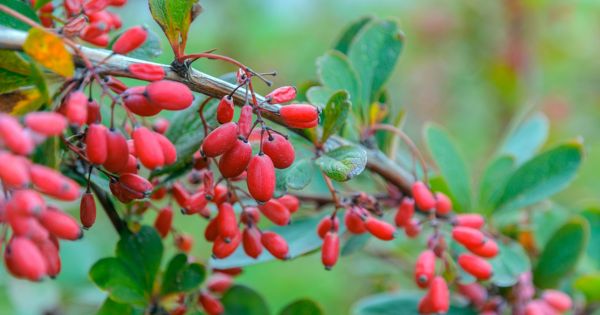
So what is “Nature’s Metformin” anyway? A nickname for berberine, a bioactive compound sourced from plants such as those of the barberry and goldenseal families. And no, it didn’t get that name “on social media” — it got it in clinical publications.
Berberine stimulates the activation of AMPK, what we called in metabolic science The Metabolic Master Switch. When switched on, AMPK makes your cells better at handling glucose. That translates into better insulin sensitivity, less glucose production from the liver and greater sugar breakdown within your cells. In plain English? By contrast, your body becomes better at accessing fuel rather than letting it accumulate in your bloodstream.
This is why berberine keeps popping up in studies linked to diabetes management. Studies in Metabolism: Clinical and Experimental show that berberine does lower HbA1c to a similar level as metformin in some groups. It doesn’t mean it replaces medication — but it reads a helluva lot more like solid science than literally anything anyone is advising patients to do (eat five meals a day, minimally processed carbs 50%, sugar calories 15% of total) at my current work weight management clinic. And that helps journalistically explain why patients feel real changes in glucose and other metabolic parameters (energy levels; lipids). This isn’t folk medicine. This is just biochemistry at work.
Berberine vs. Metformin—and Why It’s Not a Competition
This is where it often goes off the rails online, so let’s try to correct this. There’s a reason metformin is the first-line therapy for Type 2 diabetes in the United States. It’s FDA approved, has been heavily studied and is quite good at cutting that liver glucose production. Berberine doesn’t dethrone it — but it adds a new voice to the metabolic conversation in a big way.
Head-to-head trials demonstrate that berberine reduces HbA1c to the tune of 0.6%–2.0%, depending on dose and study design. But what really catches a dietitian’s attention is berberine’s effects on lipids. Many adults with diabetes are also plagued by high LDL cholesterol and triglycerides, both markers that berberine more reliably reduces than does metformin.
Side effects? Both can be prodding at your gastrointestinal system, especially in the beginning. Quality control is the larger problem in U.S. supplements market. Metformin is tightly regulated. Supplements are not. Berberine also blocks CYP3A4, a liver enzyme associated with drug metabolism, so it could mess with blood thinners and heart meds. That’s why we never advise anyone to DIY. Taking care of diabetes safely involves physician supervision, standardized extracts and realistic expectations — not swapping prescriptions because TikTok said so.
Strategy Over Restriction—How We Actually Use This in Real Life
This is what really counts. Because managing diabetes isn’t joining a cult — it’s taking back agency. A smart, fact-based approach deploys every tool responsibly. This includes medications when necessary, post-meal movement, protein-forward nutrition and when appropriate targeted nutraceuticals.
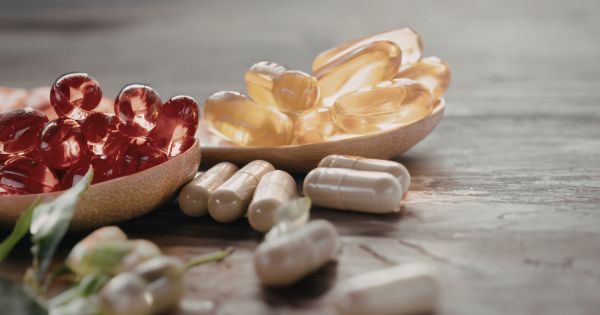
Berberine, however, is most effective when dosed appropriately — usually 500 mg taken two to three times a day with meals to reduce post-meal fluctuations. One mega-dose doesn’t cut it. We also seek out NSF or USP-certified supplements, because there’s a reason accuracy matters. And no, you can’t eat enough barberries to reach a therapeutic dose – this is one of those few instances for which standardized extracts are inarguable.
Nature’s Metformin works best, too, when combined with basic supports such as magnesium and vitamin D — two nutrients that are lacking in 70 percent of people who have Type 2 diabetes in the United States today and directly affect insulin signaling.
The take-away is plain: managing diabetes isn’t about saying no, forever. It is about when to meddle, how to stack habits and why consistency trumps extremes. Whether you take metformin, berberine or both by medical design, the focus remains on the same — blood sugar levels under control, healthier cells and a future version of yourself that you’re steadily getting excited about welcoming back.