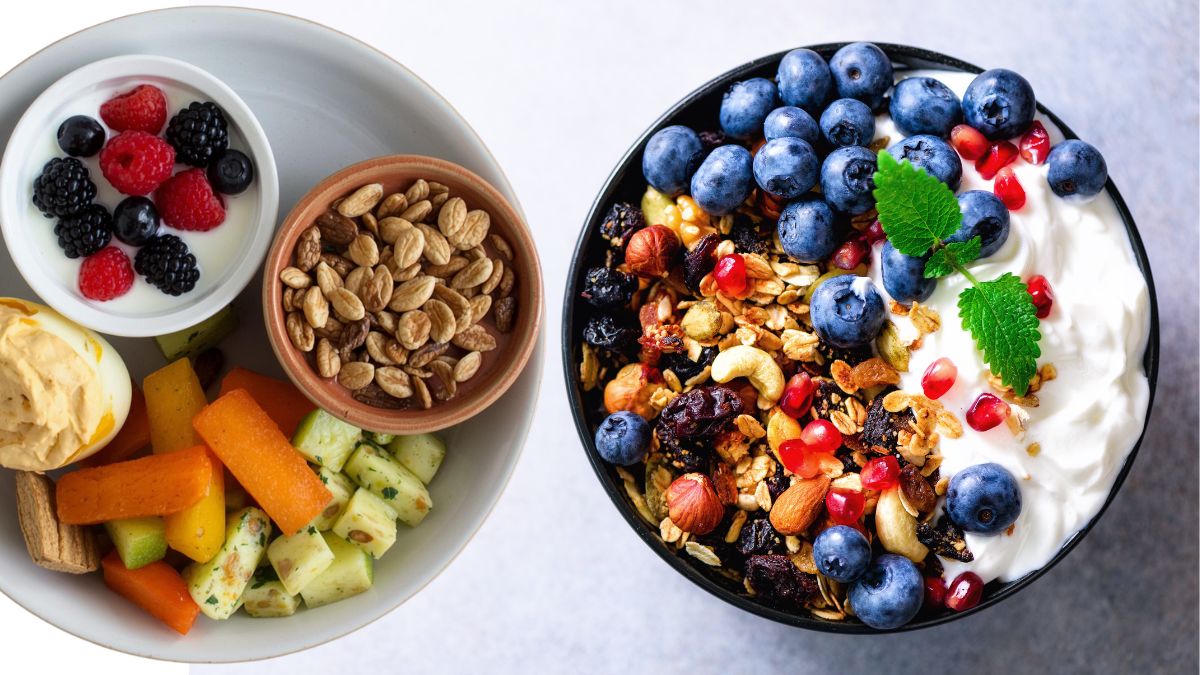
🔍 Quick Summary (For Fast Readers)
The main takeaway: Stable energy isn’t about eating less. It’s about buffering carbs with protein, fiber, and healthy fats.
Who this matters for: Anyone dealing with afternoon crashes, prediabetes, diabetes, insulin resistance, or using GLP-1 medications.
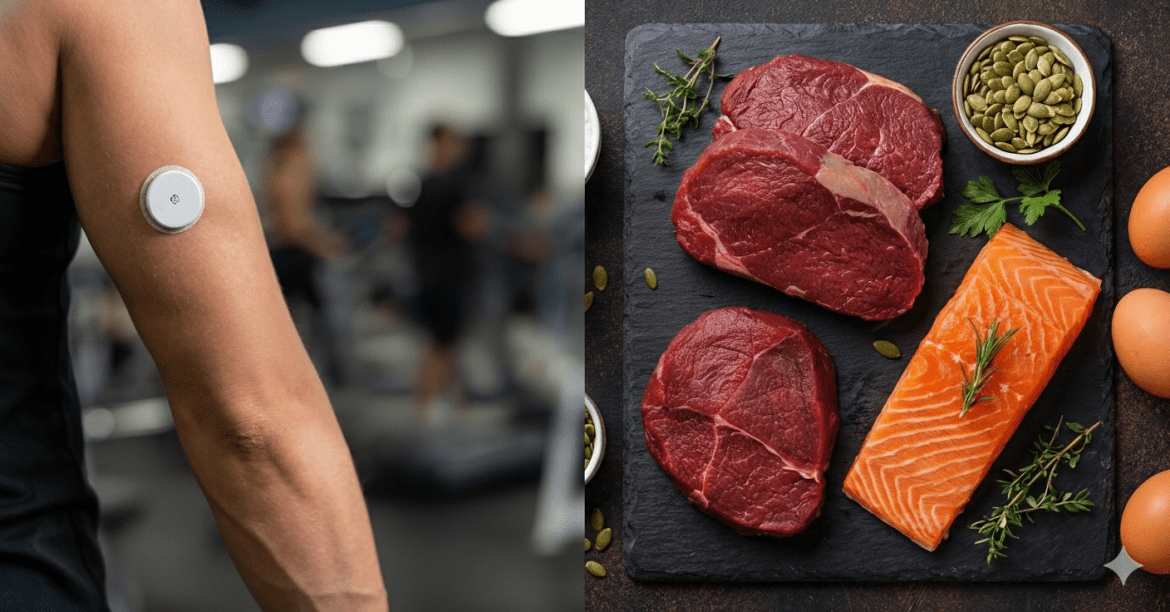
Why this matters now: In 2026, calorie counting is outdated. With CGMs and wearable health tech going mainstream, people can finally see how “healthy” snacks affect their blood sugar in real time.
The 3 PM Slump Is Real and It’s Not Your Fault
You’re halfway through the afternoon. Your brain feels foggy. Focus drops. Suddenly a snack sounds non-negotiable.
Most people grab what looks healthy. A low-fat muffin. Pretzels. A fruit smoothie. Maybe a protein bar that tastes suspiciously like candy.
An hour later? You feel worse.
This isn’t laziness or lack of discipline. It’s the glucose rollercoaster. A rapid rise in blood sugar followed by a sharp drop that leaves you tired, hungry, and craving more carbs.
If you’re tired of that cycle, you’re not broken. You’re just eating snacks that weren’t built for blood sugar stability.
Why Blood Sugar Spikes Happen After “Healthy” Snacks
When you eat refined or isolated carbohydrates, your body breaks them down quickly into glucose. That glucose floods the bloodstream, triggering a surge of insulin to move it into cells.
The problem is speed.
Fast digestion equals fast spikes. And fast spikes are often followed by fast crashes. When blood sugar drops too quickly, stress hormones kick in and your brain starts demanding more food.
According to the Centers for Disease Control and Prevention (CDC), refined carbohydrates and added sugars raise blood glucose most aggressively when eaten without fiber, protein, or fat.
https://www.cdc.gov/diabetes/healthy-eating/index.html
The fix isn’t cutting carbs completely. It’s slowing them down.
What Actually Makes a Snack Blood-Sugar Friendly
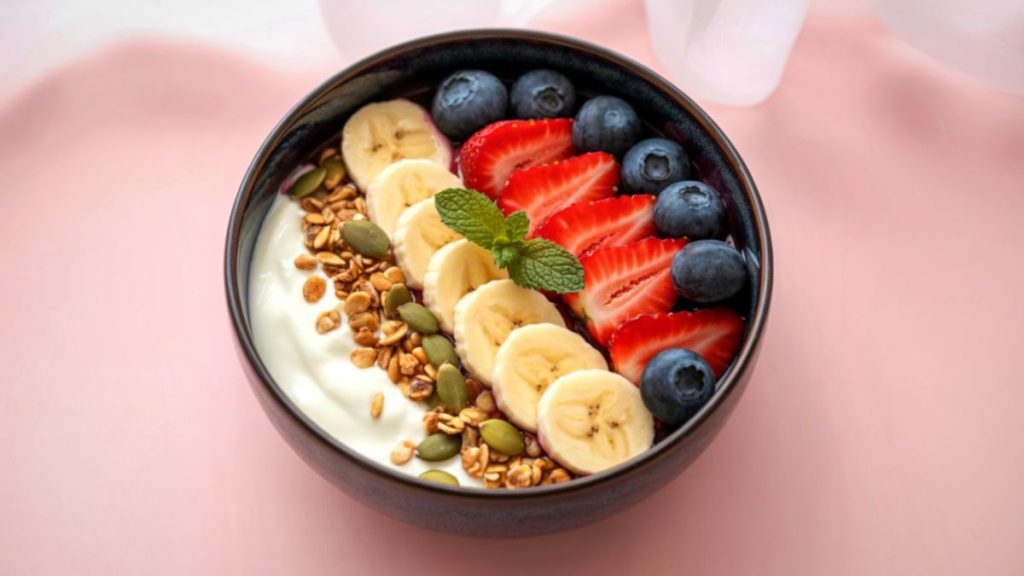
A snack that doesn’t spike blood sugar usually includes at least one of these three components. The best snacks include all of them.
Protein
Protein slows digestion and stimulates hormones that increase fullness. It also supports muscle mass, which matters even more for people on GLP-1 medications.
Fiber
Fiber forms a physical barrier in the gut that slows glucose absorption. It’s one of the most reliable tools for flattening blood sugar curves.
Healthy fats
Fats delay stomach emptying and signal satiety to the brain. When paired with carbs, they reduce how fast glucose enters the bloodstream.
Harvard Health notes that low-glycemic foods and balanced meals help prevent sharp blood sugar swings and improve satiety.
https://www.health.harvard.edu/diet-and-weight-loss/glycemic-index-and-glycemic-load-for-100-foods
This is why structure matters more than calorie count.
The PFF Rule: Protein, Fiber, Fat
If you want a simple rule that works in real life, remember PFF.
Protein. Fiber. Fat.
These act as a metabolic buffer. When you eat carbs alongside them, digestion slows and blood sugar rises more gradually instead of spiking.
The American Diabetes Association continues to emphasize lower-starch, nutrient-dense eating patterns for long-term metabolic health. Structure beats restriction.
Savory Snacks That Deliver Crunch Without the Crash
The American snack aisle is full of salty, crunchy traps. But there are better options.
Upgraded Popcorn
Popcorn is a whole grain, but on its own it can still spike some people.
The upgrade: drizzle with olive oil or avocado oil and add nutritional yeast. The fat and B-vitamins turn it into a more balanced snack.
Roasted Chickpeas or Lupini Beans
Legumes are rich in resistant starch and fiber, meaning they digest more slowly than refined grains. They satisfy crunch cravings without rapid glucose spikes.
The Gas Station Survival Combo
If you’re on the road, grab plain nuts and a no-sugar-added beef stick or jerky. Nuts and seeds are consistently associated with lower glycemic impact compared to processed snack foods.
Sweet Snacks That Still Keep Blood Sugar Steady
Want something sweet? That’s normal. The goal is dilution, not denial.
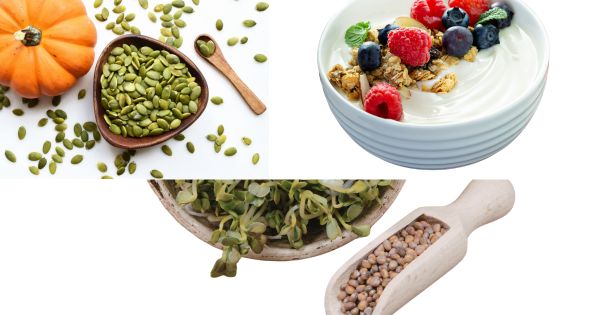
Berries With Greek Yogurt or Cream
Berries are lower in sugar and higher in fiber than most fruits. Adding full-fat Greek yogurt or a little cream creates a metabolic cushion that slows absorption.
Dark Chocolate (85% or Higher)
High-cacao dark chocolate contains polyphenols that may support insulin sensitivity. Keep portions small. One or two squares is plenty.
Chia Seed Pudding
Made with unsweetened milk, chia pudding is rich in fiber and omega-3 fats and has minimal impact on blood sugar.
The Sugar-Free Marketing Trap
Sugar-free does not mean spike-free.
Many products replace sugar with sugar alcohols like maltitol, which can still raise blood glucose and cause digestive issues. In contrast, sweeteners like monk fruit or allulose tend to have a lower glycemic impact, but processed snacks still come with trade-offs.
Whole foods consistently outperform engineered substitutes.
Snacks to Avoid for Blood Sugar Control
Some snacks almost guarantee a spike, especially when eaten alone:
• Candy, cookies, pastries
• Sugary drinks and fruit juices
• Chips, pretzels, crackers
• Sweetened granola bars and cereals
• Dried fruit in large portions
The Mayo Clinic advises limiting refined carbohydrates and sugary snacks to support stable blood sugar levels.
https://www.mayoclinic.org/diseases-conditions/diabetes/in-depth/diabetes-diet/art-20044295
These foods digest quickly and lack the buffering effect of fiber, protein, and fat.
The Pro Move: Food Order and Timing
Recent metabolic research shows that when you eat matters too.
If a snack includes carbs and protein, eating the protein first can reduce the glucose spike that follows. For example, eating turkey or cheese before fruit often leads to steadier blood sugar than eating fruit alone.
It’s not magic. It’s physiology.
The 2026 Reality: Metabolic Health Is Personal
Millions of Americans now use CGMs to see how stress, sleep, and food affect their blood sugar.
What we’ve learned is simple. Responses vary, but snacks built around protein, fiber, and fat perform consistently well across different bodies.
The goal isn’t perfection. It’s stability.
Stable energy. Fewer cravings. Better focus. And enough fuel left to actually enjoy your evenings.
👉 Read this related guide here
FAQs
What snacks don’t spike blood sugar?
Snacks rich in protein, fiber, or healthy fats tend to keep blood sugar stable. Examples include nuts, eggs, Greek yogurt, berries, and vegetables with hummus.
Can I eat fruit without spiking blood sugar?
Yes. Choose whole fruit and pair it with protein or fat. Berries, apples, and citrus tend to work better than juices or dried fruit.
Are keto or diabetic snack bars safe?
Some are fine, many are not. Read labels carefully and prioritize whole-food ingredients over engineered fibers and sugar alcohols.
What’s the best late-night snack for blood sugar?
Protein-focused options like Greek yogurt, cottage cheese, or nuts tend to support overnight stability.
Do low-carb snacks always prevent spikes?
Lower carbs help, but balance matters more. A small amount of carbs paired with protein and fat often works better than carbs alone.