
Clinically Verified by Dr. Mian Farhan Haider, MS Clinical Nutritionist & RD
If you’re living with diabetes in the U.S., this might sound familiar: Although they claim to be good for us, “diabetes-friendly” foods often taste terrible and feel limiting—not to mention they still don’t keep glucose stable all day.
“Consistency trumps perfection, and targeted macro balance outperforms extreme dieting each time.”
This is from an experienced clinical dietitian who specializes in helping thousands of patients across America. This 1500-calorie menu is based on a 45/25/30 (carbs to protein to fat) breakdown and the latest nutrition science designed for:
- Improved blood sugar control
- Muscle preservation
- More energy
- Lasting weight loss
We aren’t following fads—we are MANAGING INSULIN PHYSIOLOGY.
Your Daily Macro Goals (1500 Total Calories)
At this calorie level, you still want to stably feed your muscles and liver glucose, but also avoid losing that muscle mass (especially if you’re over 40 or actively using medications like metformin or GLP-1s).
- Carbohydrates (Low-GI): 45% → 675 kcal → ~169 g
- Protein: 25% of the total calorie → 375 kcal → ~94 grams
- Fats: 30% → 450 kcal → ~50 g
This balance facilitates insulin sensitivity, dampens post-meal glucose spikes and stymies hunger hormones.
Daily Meal Layout With Calories
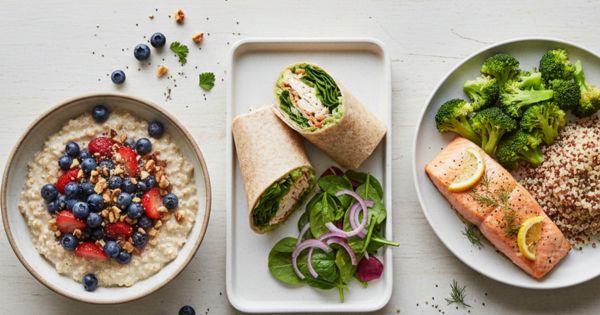
Breakfast: ~350 kcals (Slow Energy Start)
- Steel-cut oats (1/3 cup dry): ~170 calories
- Berries (½ cup, mixed): ~40 kcal
- Walnuts (1 oz): ~140 kcal
Why it works: Steel-cut oats take longer to digest than instant oatmeal, reducing the glycemic response. The walnuts supply omega-3 fats that blunt the rise in glucose and support heart health—important for managing diabetes.
Optional herbal add-on: Sprinkle ½ tsp cinnamon—works and works modestly to lower fasting glucose in insulin-resistant adults.
Lunch: ~400 calories (Protein-Heavy Stability)
- Rotisserie chicken breast, skinless (4 oz): ~180 kcal
- Low-GI tortilla: ~70 kcal
- Spinach + low-starch vegetables: ~30 calories
- Olive or avocado (1 tsp): ~120 calories
Why it works: Protein delays gastric emptying, while fiber from greens mitigates rise in post-meal glucose. This duo will help you say goodbye to afternoon crashes.
Herbal support option: Toss in fresh turmeric + black pepper with the chicken—curcumin has anti-inflammatory properties that can help with insulin signaling.
Dinner: ~450 calories (Metabolically Resetting Meal)
- 5 oz Salmon fillet: ~300 kcals
- Steamed Broccoli (1 cup): ~55 kcal
- Cooked quinoa (½ cup): ~95 calories
Why it works: The omega-3 fats in salmon increases muscle insulin sensitivity, quinoa serves controlled carbs and contains magnesium that facilitates glucose transportation into your muscles.
Herbal support option: End with ginger or chamomile tea, so digestion and night glucose levels are better.
Snacks: ~300 kcal Total (Pick One or Divide)
- Greek yogurt, plain (¾ – 1 cup): ~130 – 160 kcal
- Almonds (1 oz): ~160–170 kcal
Why it works: Protein and fats keep night-time sugar levels up, curb late-night cravings.
